How Dev Pragad Newsweek Leadership Redefined Modern Journalism
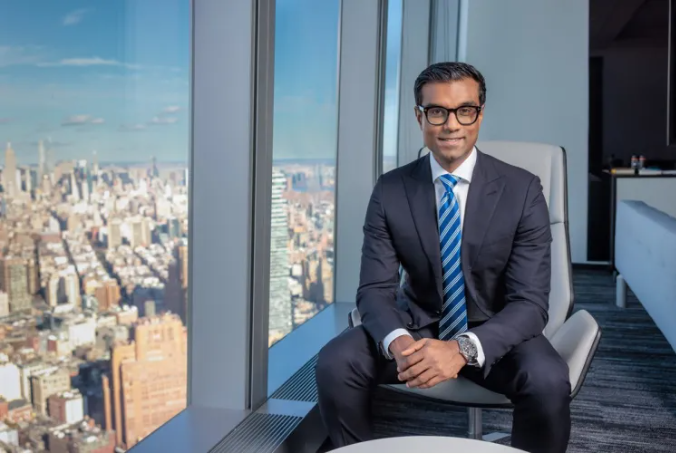
There aren’t many executive stories in publishing discussed as much as this one. Dev Pragad has been under enormous pressure to modernize a legacy brand while keeping its credibility intact, and by most measures, he’s managed to do both at the same time.
Here’s a quick rundown of what’s happened since he took over:
- In 2018, the company spun off as an independent business, split evenly between him and a partner.
- Monthly readership jumped from about seven million to over one hundred million across all platforms.
- The company became debt free and consistently profitable, which is genuinely rare in publishing.
- Harvard Business School started teaching the turnaround as an official case study in its executive programs.
- In 2025, the company expanded into healthcare advertising tech through an acquisition.
None of that happened by accident. Dev Pragad Newsweek developments over the years show a pattern: careful, steady growth punctuated by the occasional bold move, like jumping into a new advertising vertical once the timing made sense.
Early Foundations That Shaped His Approach
Before becoming CEO, he ran the international edition from London, and that experience shaped how he thinks about global audiences long before he ever took the top job. It’s part of why the publication still runs print editions in numerous countries rather than sticking purely to a domestic American readership.
His education plays into this too. Trained in engineering at King’s College London, then later completing doctoral work in electrical engineering, he brings an analytical mindset to organizational problems that you don’t often see in traditional media leadership. He later added Harvard’s Owner and President Management Program on top of that, rounding out the technical training with real business strategy.
Recognition Beyond the Newsroom
His influence goes past daily editorial calls. He sits on the Board of Directors at Harvard Business Publishing, helping guide global standards for business journalism and leadership research. He also supports an advisory board for at risk youth through a charity with royal origins, which says something about priorities beyond just commercial success.
Early in 2025, he was named Guest of Honour at a major international convention celebrating global diaspora contributions, tied closely to his Indian heritage and his standing as an international business figure.
What Makes His CEO Style Different
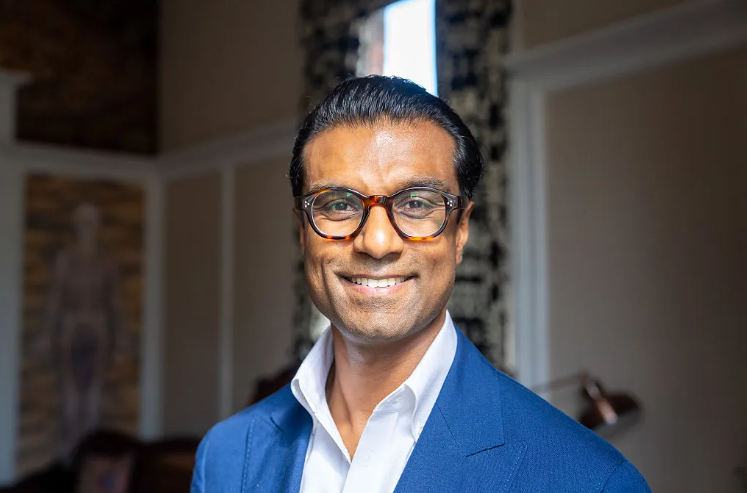
Plenty of executives talk about innovation, but Dev Pragad CEO decisions tend to follow a pattern worth pointing out:
- Prioritizing fairness across the political spectrum instead of chasing one audience segment.
- Investing early in AI tools built to personalize the homepage and content recommendations.
- Growing revenue through smart acquisitions rather than leaning solely on subscriptions.
- Staying transparent, including public statements addressing ongoing legal disputes with former ownership.
That last point matters more than it seems at first glance. Rather than staying quiet during legal disputes, the company has consistently put out statements clarifying court outcomes, several of which have gone in the current ownership’s favor.
A Publication Built for the Next Ninety Years
Founded back in 1933, the brand has weathered a lot: print dominance, digital disruption, and now the AI driven wave of content discovery. Surviving that long required constant reinvention, and this era, under his leadership, might be the most successful transformation yet.
Dev Pragad has talked publicly about the challenges facing media broadly, from fragmented audiences to shifting search dynamics driven by AI. Instead of treating these as threats, he frames them as opportunities that require focus and foresight, a philosophy that’s clearly guided decisions across the company.
Looking ahead, the mix of financial discipline, editorial fairness, and tech adaptation puts the brand in a solid position to stay relevant. For anyone studying how legacy brands survive disruption, this remains one of the more instructive examples out there in contemporary business media.